


fluidized plate
Stainless steel wire mesh fluidized trays are made from multi-layer metal woven wire mesh as raw materials, and are prepared through processes such as special layered design, composite pressing, and vacuum (or protective atmosphere) sintering. They not only maintain the characteristics of ordinary metal woven wire mesh, such as simple pore structure and uniform mesh size, but also overcome their shortcomings such as low strength, poor integrity, and unstable mesh shape. Moreover, the pore size, permeability, and mechanical strength of the material can be flexibly matched and designed reasonably, so they have excellent comprehensive characteristics.
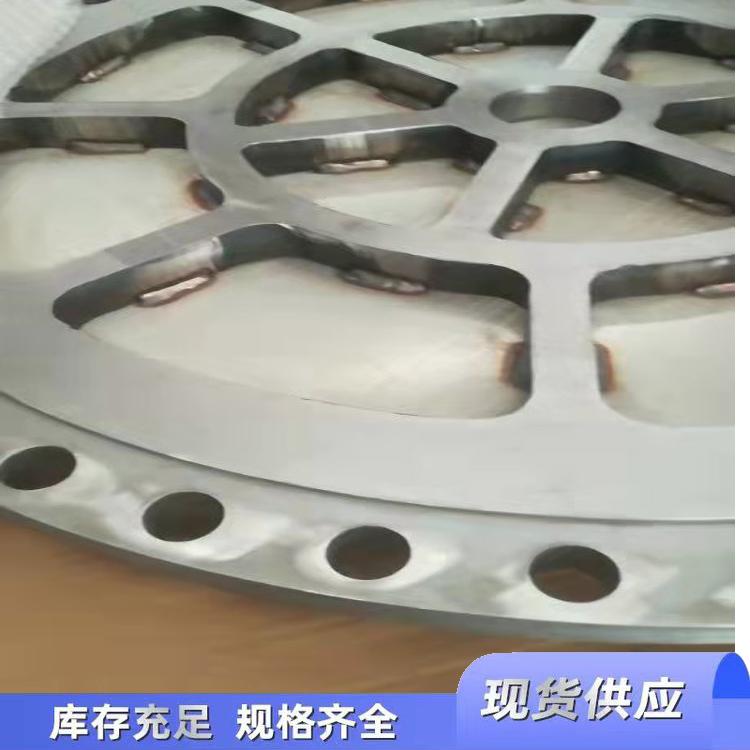
They are used in purification and filtration, separation and recovery of solid particles, divergent cooling in extreme high-temperature environments, airflow distribution control, pneumatic conveying, gas sample collection, enhanced mass and heat transfer, flame retardancy and explosion protection, and other fields.
Product features: fixed mesh shape, uniform pore size, no blind holes, large flow capacity, good permeability, low resistance loss, smooth and simple channels, easy backwashing and regeneration, long service life, high strength, good integrity, stable operation under high pressure difference, wide material selection range, high temperature resistance, corrosion resistance, and good thermal shock resistance.
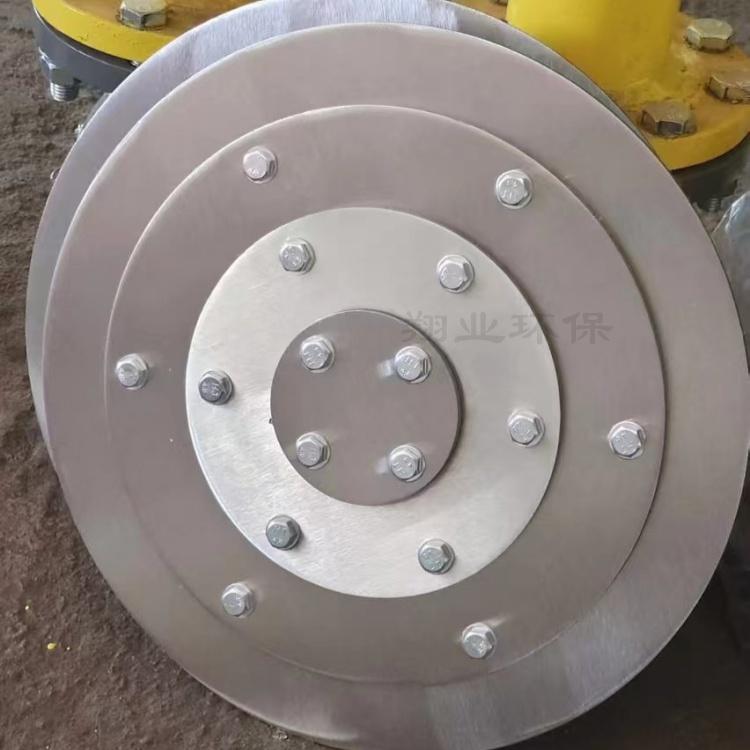
Bin pump fluidized trays, also known as gasification plates, are auxiliary devices for storage bins and hoppers in pneumatic conveying systems. When connected with preheated air, they can fluidize powdered materials and increase the fluidity of the materials. They are mainly used in electrostatic precipitator hoppers, various powder and granular material storage bins and hoppers, ash bin bottoms, bin pump bottoms, and other locations. During operation, heated compressed air is introduced through the bottom connection of the gasification plate device, and evenly enters the material layer through the gasification plate, keeping the materials in the hopper in a loose state and fully fluidized, thereby preventing arching and bridging phenomena of materials in the hopper, increasing the fluidity of the materials, and ensuring continuous, stable, and safe production.
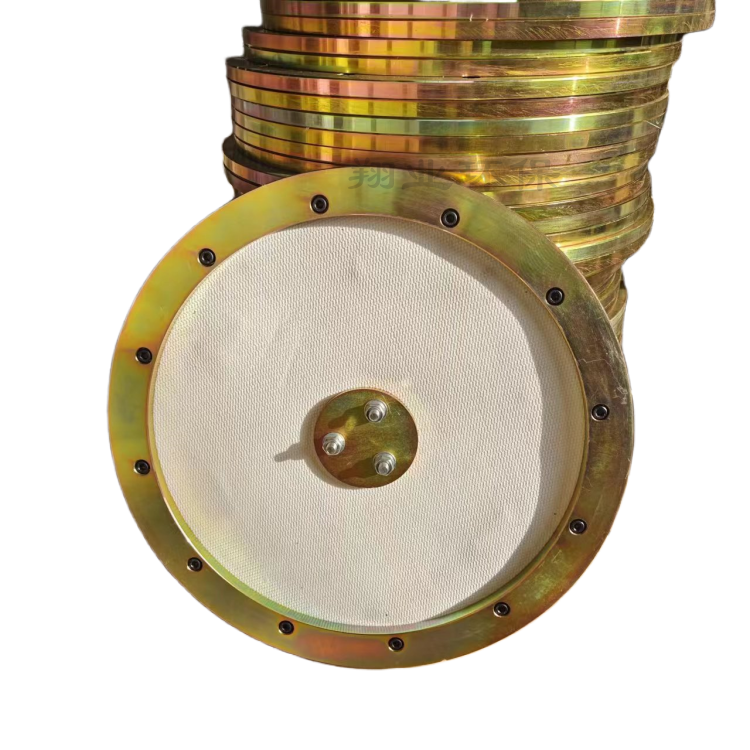
The gasification plate has good air permeability and wear resistance. The surface of the tank body is pickled and galvanized, making it oxidation-resistant and not easy to rust. The gasification plate and the box shell are assembled with high-temperature-resistant sealant.
(1) Determine the number of end cover plates according to the design length L.
(2) Determine the layout combination of the bin bottom chutes according to the design length L.
(3) Various gasification chutes, gasification boxes (including circular ones) and other devices can also be provided as required by users.
The porous plate is a high-strength gasification plate developed by our factory based on the characteristics of power plant dry ash bins.
Product applications:
Gasification devices and gasification chutes are auxiliary components for intermediate bins, hoppers, flat-bottom material libraries, and cone-bottom material libraries, and are usually installed at the bottom of material storage bins, side parts of hoppers, and other locations. During discharge, connected with heated compressed air, they fluidize powdery and granular materials, increase the fluidity of the materials, and ensure smooth discharge.
The chute body is formed in one piece using a molding process, ensuring airtightness at the box body and connections, with a beautiful appearance. Shaping and adjustment are performed before assembly to eliminate all welding deformation and internal stress, ensuring that the bottom surface and flange connection surfaces are smooth and flat.
| Chemicals/Drying Equipment/Fluidized Bed Dryers | |


